Why Cold Rooms Matter: Essential Insights for Restaurant Owners & Investors
In the restaurant industry, success isn’t just about great food and service, it’s also about efficient operations and proper infrastructure. One often overlooked but critical component is the cold room. These temperature-controlled storage spaces are vital for maintaining food quality, reducing waste, and ensuring smooth restaurant operations.
The Importance of Cold Rooms
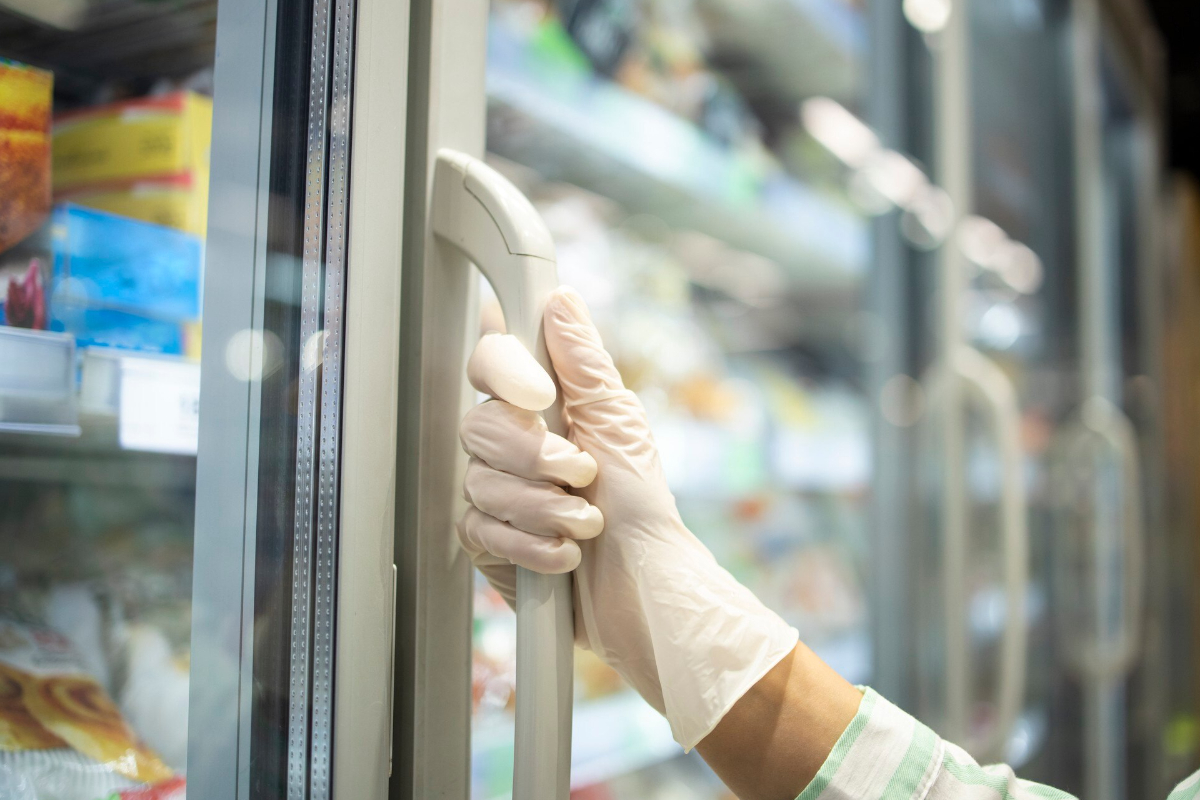
Cold rooms are much more than just large refrigerators. They provide:
-
Food Safety: Proper temperature control prevents spoilage and bacterial growth, keeping your ingredients safe for consumption.
-
Inventory Management: With ample cold storage, restaurants can stock ingredients in bulk, reducing frequent deliveries and ensuring consistent menu availability.
-
Cost Efficiency: By storing products safely, cold rooms reduce food wastage and help manage operational costs.
Without a reliable cold room, restaurants risk both financial losses and reputational damage from compromised food quality.
Property Considerations
When investing in or leasing a restaurant property, cold room infrastructure is a key factor:
-
Space Planning: Ensure there is sufficient room for the cold storage unit without disrupting kitchen workflow.
-
Retrofitting vs Purpose-Built: Some properties may require modifications to install a cold room, while others may already have the necessary infrastructure.
-
Accessibility: A well-placed cold room enhances kitchen efficiency, allowing staff to access ingredients quickly and safely.
For property investors, a restaurant with a modern cold room can be more attractive to potential tenants, adding value to the property.
Compliance and Safety
Commercial cold rooms must meet strict health and safety standards:
-
Temperature monitoring to comply with food safety regulations.
-
Regular maintenance of refrigeration units to prevent breakdowns.
-
Proper insulation and door seals to maintain consistent temperatures.
Adhering to these regulations not only protects diners but also safeguards the restaurant from legal issues and fines.
Modern Innovations
The industry has seen exciting advancements in cold room technology:
-
Energy-Efficient Systems: Reduce operational costs while supporting sustainable practices.
-
Smart Monitoring: IoT-enabled systems track temperature, humidity, and maintenance alerts in real-time.
-
Modular Designs: Flexible cold rooms can be expanded or reconfigured as restaurant needs grow.
Investing in these modern solutions can enhance both operational efficiency and long-term property value.
Final Thoughts
Cold rooms are an essential component of any restaurant operation, impacting food safety, operational efficiency, and property value. Whether you are a restaurant owner or a property investor, understanding the importance of proper cold storage can help ensure smooth operations and protect your investment.
For more insights on optimising restaurant properties and facilities, visit Restaurant Property Sellers.