A guide to maintain safe and hygienic Restaurant
Running a successful restaurant involves more than just crafting delicious dishes, it requires a commitment to health and safety. Prioritising these aspects not only safeguards your customers but also contributes to the overall success of your business. Here’s an elaboration of maintaining a safe and hygienic restaurant environment:
Food Hygiene Regulations:
Adhering diligently to the UK’s food hygiene regulations is crucial. This involves following guidelines to prevent foodborne illnesses and ensure the safety of your customers. Stay informed about the latest regulations and implement them.
Risk Assessment:
Identifying Hazards: Conduct a thorough examination of potential hazards in the restaurant environment, considering factors such as equipment safety, fire safety, ventilation, and overall layout.
Understanding Stakeholders: Recognise who might be affected by these hazards, including staff and patrons. This ensures comprehensive risk assessment catering to the well-being of everyone involved.
Control Measures: Implement effective control measures to prevent harm. This may include training staff on safety protocols, installing fire prevention systems, ensuring proper ventilation, and having emergency response plans in place.
Emergency Scenarios: Assess and plan for potential emergency scenarios, such as fires or natural disasters. Preparedness is key to minimising risks and ensuring a swift and organised response.
Staff Training:
Proper Food Handling: Train staff on correct food storage, temperature control, and avoiding cross-contamination to uphold food safety standards.
Hygiene Practices: Emphasize the importance of personal hygiene, including regular handwashing and maintaining cleanliness to prevent the spread of diseases
Health and Safety Checklist:
Implementing a thorough health and safety checklist is a structured approach to safety management. Covering areas from food hygiene to fire safety, this checklist serves as a guide for daily operations, reducing the risk of oversights.
Personal Protective Equipment (PPE):
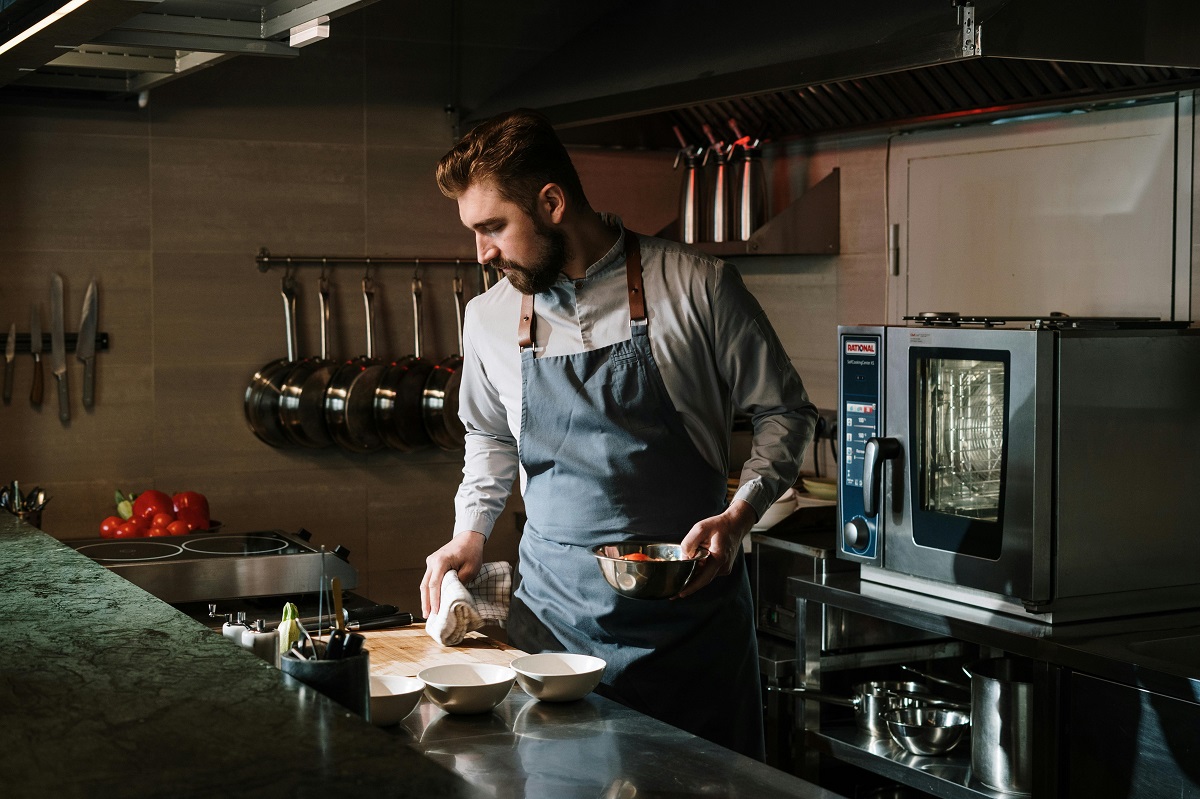
Mandating the use of appropriate PPE, including gloves and aprons, is crucial for maintaining high hygiene standards during food preparation and service. This not only protects your staff but also prevents cross-contamination.
Cleaning Protocols:
Establishing rigorous cleaning protocols is key to preventing the spread of contaminants. Develop a schedule for cleaning kitchen equipment, dining areas, and restrooms. Regular cleaning ensures a clean and safe environment for both customers and staff.
Allergen Management:
Clearly labelling allergens on your menu is essential. Additionally, ensure that your staff is well-trained to handle allergen-related queries from customers. This proactive approach promotes transparency and helps customers make informed choices.
Waste Management:
Properly managing and disposing of waste is crucial to prevent health and environmental risks. Implement a waste management system that includes proper sorting, storage, and disposal procedures.
Emergency Procedures:
Developing and communicating comprehensive emergency procedures to staff is vital. Cover scenarios such as fires, medical emergencies, and evacuations. Regularly conduct drills to ensure that all staff members are well-prepared in case of an emergency.
Regular Inspections:
Conducting regular health and safety inspections is a proactive approach to safety management. Identify and rectify any issues promptly to maintain a safe and hygienic environment. This also demonstrates your commitment to ensuring the well-being of staff, customers and the restaurant.
By prioritising health and safety, your restaurant not only complies with legal requirements but also creates a positive environment that fosters customer trust and loyalty. Remember, a safe restaurant is a successful one.